Loading...
Serving Cupertino, CA and surrounding areas. (669) 308-4473
UpTime Cupertino Concrete provides concrete floor installation, driveway building, retaining walls, and foundation work across Fremont - from the historic homes in Niles to the newer properties near Warm Springs BART. We work with Fremont's clay soils, Hayward Fault conditions, and city permit process, and we reply to every inquiry within 1 business day.
UpTime Cupertino Concrete provides concrete floor installation, driveway building, retaining walls, and foundation work across Fremont - from the historic homes in Niles to the newer properties near Warm Springs BART. We work with Fremont's clay soils, Hayward Fault conditions, and city permit process, and we reply to every inquiry within 1 business day.
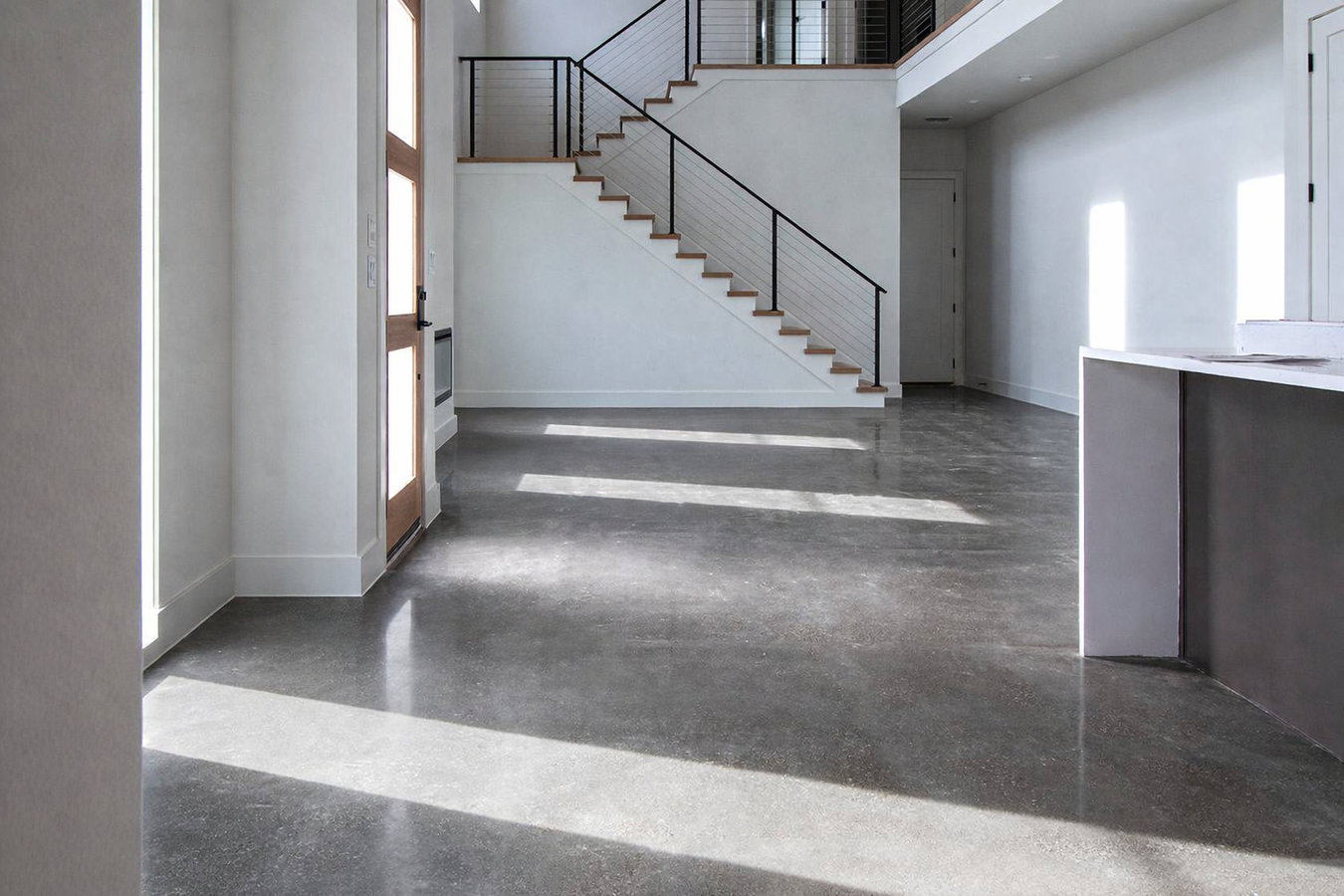
A large share of Fremont's homes were built between the 1950s and the 1980s, and the original concrete floors in garages, laundry rooms, and workshops in those homes are now showing their age - spalling surfaces, cracks that have widened over years of clay-soil movement, and uneven sections that make finishing the space impractical. Whether you are replacing a failing garage floor in an Irvington ranch house or pouring a new slab for an ADU in Mission San Jose, getting the base preparation right for Fremont's expansive soil is what determines whether the floor lasts. Learn more about our concrete floor installation process and what to expect from assessment through final pour.
Most Fremont homes sit on lots with 5,000 to 8,000 square feet of land, and the concrete driveway is one of the most visible and most-used surfaces on the property. The clay-heavy soil underneath swells every rainy season and shrinks back in the dry months - and driveways poured without a compacted gravel base absorb that movement directly, producing the panel shifts and wide cracks that homeowners across Centerville and Irvington know well. We remove the old surface, properly prepare the base, and pour a new driveway with joint spacing suited to Fremont's seasonal soil movement.
Fremont's warm, dry summers - with temperatures regularly reaching the mid-80s from May through October - make outdoor patios genuinely useful for half the year. But six months of direct sun and UV exposure take a toll on any surface, and Fremont's concentrated winter rains that follow test drainage. We pour patios with the slope and base thickness suited to a yard that will bake through summer and then absorb several inches of rain in a short window, so the surface holds its shape through both seasons.
Properties in the Mission San Jose hills and along Fremont's eastern edges often have slopes where soil retention becomes a real problem after wet winters - saturated clay soil is heavy, and it puts significant lateral pressure on anything holding it back. A properly built concrete retaining wall stops erosion, creates usable flat space in the yard, and is engineered to handle the combination of seismic forces and soil pressure that hillside properties in Fremont face.
Fremont sits directly along the Hayward Fault, and many homes built before 1980 have foundations that predate current seismic standards - including cripple walls and anchor connections that are no longer considered adequate for this fault zone. Raising or releveling a foundation that has settled because of clay-soil movement, or upgrading an older raised foundation to meet current seismic requirements, is work that carries real stakes in a city where earthquake preparedness matters.
Fremont was formed in 1956 by merging five smaller towns - Centerville, Niles, Irvington, Mission San Jose, and Warm Springs - and each of those communities still has its own housing stock and its own set of concrete challenges. Niles has craftsman bungalows from the early 1900s with original foundations and older wood framing. Irvington and Centerville have postwar ranch houses on slab foundations built in the 1950s and 1960s - concrete that is now 60 to 70 years old and long past its original design life. Mission San Jose has larger two-story homes from the 1990s on hillside lots where drainage and soil retention are ongoing concerns. Warm Springs has newer construction tied to the BART station and the Tesla factory campus, where building activity and land disturbance continue to affect nearby lots. A contractor who doesn't distinguish between what a 1950s Centerville slab needs and what a 1990s Mission San Jose hillside lot needs is not actually familiar with the city.
The ground underneath all of these neighborhoods is what ties the concrete challenges together. According to the California Department of Conservation, much of Fremont sits on expansive clay soil that swells in wet weather and shrinks in dry weather - a cycle that puts steady stress on every concrete surface above it. On top of that, Fremont lies directly along the Hayward Fault, which the U.S. Geological Survey considers one of the most hazard-prone active faults in California. Minor ground movement over decades leaves concrete with hidden stress fractures and shifted panels that look like ordinary wear but are actually the result of the ground moving underneath. Getting the base preparation, joint placement, and reinforcement right from the start is what separates concrete that holds for 30 years from concrete that needs attention within five.
Our team pulls permits through the Fremont Building & Safety Division regularly, and we are familiar with what the city requires for slab installations, driveway encroachment permits, and seismic-related foundation work - including the additional documentation that comes up for properties near the Hayward Fault zone. We know which inspections are required at which stages, and we build the permit timeline into our project schedule so our crews are not waiting on approvals and you are not waiting on us.
Fremont is a large city in both geography and population - roughly 230,000 residents spread across communities that each have their own feel. We've worked in neighborhoods from the historic Niles district near Niles Canyon Road all the way across to the newer developments near Warm Springs BART on the south end of the city. Central Park and Lake Elizabeth sit in the middle of the city and serve as a geographic anchor for residents across Fremont. We are equally comfortable pulling up to a 1960s ranch house on a flat Centerville lot and to a hillside property in Mission San Jose - they are different jobs with different base conditions and different permit considerations.
We also serve Redwood City on the Peninsula, which shares a number of the same mid-century housing stock and clay-soil challenges that Fremont homeowners deal with. Closer to home, our crews also work regularly in Milpitas, just south of Fremont along the 880 corridor, where newer commercial and residential development adds a different set of concrete needs to the mix.
Reach out by phone, text, or the contact form and we will get back to you within 1 business day. We will ask a few basic questions about the project - the size of the space, what is currently there, and what you are hoping the finished work will look like - so we can give you a sense of scope before we visit.
We visit the property to look at the existing concrete or ground, check for drainage issues, and assess the soil conditions - which in Fremont means specifically evaluating the clay content and any signs of previous movement. You get a written estimate before any commitment, and we will explain what the permit process will look like and what it adds to the timeline.
We handle the permit application with the Fremont Building & Safety Division and call 811 to have underground utilities marked before any work begins - both are required steps that we manage on your behalf. Once permits are in hand, we confirm the start date and let you know what to have cleared from the work area.
The crew handles prep, pour, and finish - typically in one to two days for most residential jobs - and leaves the site clean before they go. We walk you through the finished work, explain the curing window (24 to 48 hours minimum before foot traffic), and schedule any required city inspection so the work is properly documented.
We serve all of Fremont - from Niles and Irvington to Mission San Jose and Warm Springs. Call or send a message and we will reply within 1 business day.
(669) 308-4473Fremont is one of the largest cities in the Bay Area, with roughly 230,000 residents and a homeownership rate near 60%. It is made up of six distinct communities - each with its own history and housing character. Niles, on the southern end near Niles Canyon, is a recognized historic district with craftsman bungalows dating to the early 1900s and a small-town character that stands apart from the rest of the city. Irvington and Centerville in the middle of the city are primarily postwar residential - ranch houses and split-levels built in the 1950s through 1970s that house the majority of Fremont's owner-occupant families. Mission San Jose in the eastern hills has newer, larger homes from the 1990s and early 2000s on lots with more elevation change and a higher-income demographic. Warm Springs on the southern edge is home to the Tesla factory and the Warm Springs BART station, and it has seen steady new construction activity tied to both.
The city's economic anchor is manufacturing and tech - Tesla's main U.S. production facility sits in Warm Springs, and the broader East Bay economy supports a stable homeowning population with the income to invest in property maintenance. Central Park and Lake Elizabeth in the heart of the city are gathering points that nearly every Fremont family uses regularly, and they sit at the geographic center of a city that is larger in area than many people expect. For concrete work, the practical implication of Fremont's size and diversity is that jobs on opposite ends of the city can call for very different approaches - older wood-frame homes in Niles require different care than a new slab pour in Warm Springs. We also regularly serve homeowners in nearby San Jose and Milpitas, which share many of the same soil and building-stock characteristics as Fremont.
Durable concrete driveways designed for lasting curb appeal and heavy daily use.
Learn moreCustom concrete patios that expand your outdoor living space with strength and style.
Learn moreDecorative stamped concrete that replicates natural stone, brick, or tile at a fraction of the cost.
Learn moreSafe, smooth concrete sidewalks built to code for residential and commercial properties.
Learn moreProfessionally poured and finished garage floors that resist staining and heavy loads.
Learn morePolished, stained, or textured decorative concrete solutions for any surface.
Learn moreStructural concrete retaining walls that prevent erosion and manage sloped terrain.
Learn morePrecision concrete floor installation for residential, commercial, and industrial spaces.
Learn moreSlip-resistant, heat-reflective concrete pool decks built for safety and durability.
Learn moreSolid concrete steps and entryways constructed for safety and long-term performance.
Learn moreReinforced slab foundations that provide a stable base for new construction projects.
Learn moreExpert foundation installation for residential and commercial structures across the Bay Area.
Learn moreHeavy-duty concrete parking lots engineered for high traffic volumes and low maintenance.
Learn moreProperly sized and poured concrete footings that support walls, posts, and structures.
Learn moreFoundation raising services to correct settling, improve drainage, and restore structural integrity.
Learn morePrecise concrete cutting for utility access, repairs, and renovation projects.
Learn moreServing these cities and communities.
From Niles to Mission San Jose to Warm Springs, UpTime Cupertino Concrete handles the full range of residential and commercial concrete projects across Fremont. Call (669) 308-4473 or send us a message for a free on-site estimate.