Loading...
Serving Cupertino, CA and surrounding areas. (669) 308-4473
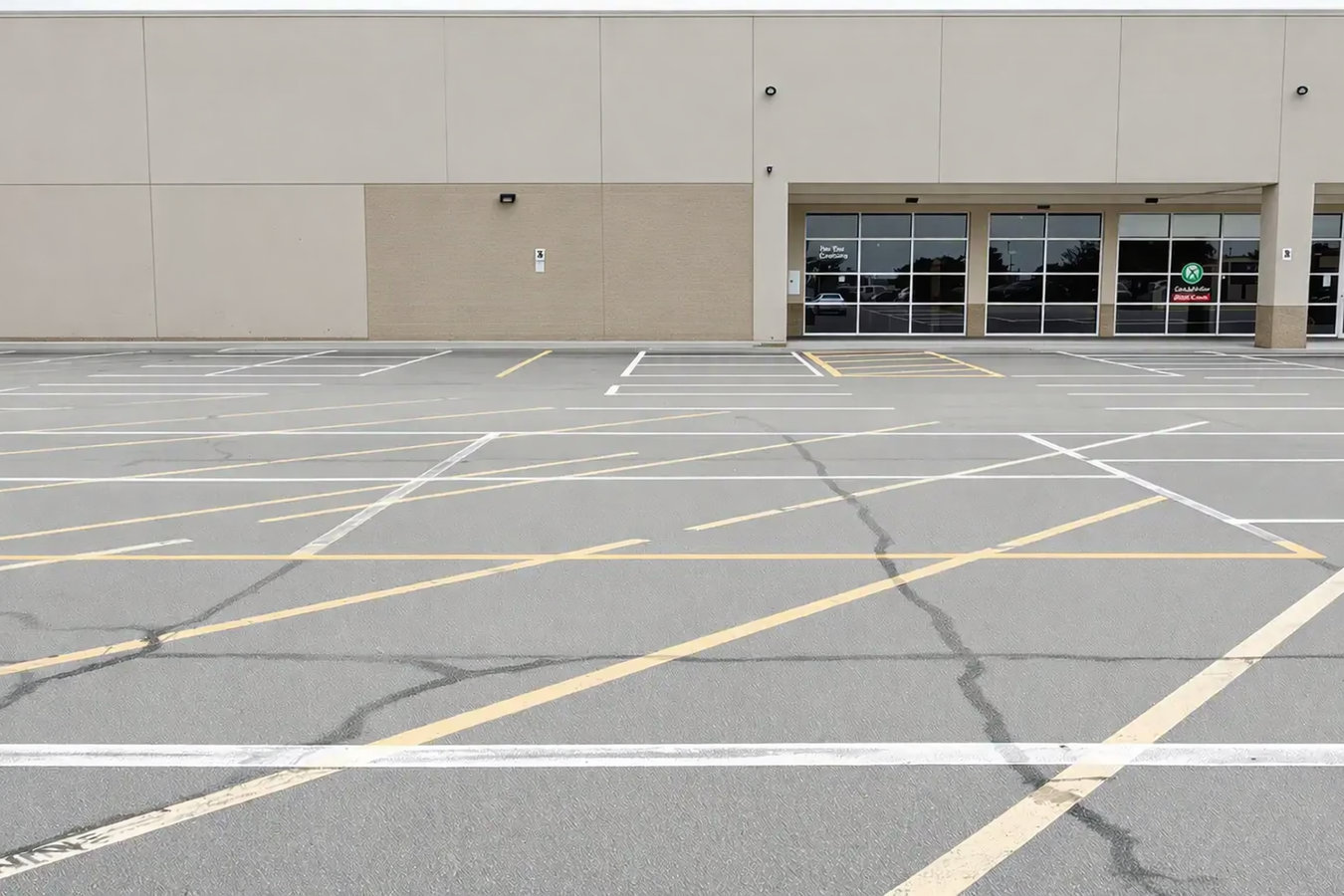
Cracked, uneven, or unpaved parking areas cost you customers and create liability. Get a properly built concrete lot designed for Cupertino's clay soils, permit requirements, and 30-plus-year lifespan.
Concrete parking lot building in Cupertino starts with removing existing material, grading and compacting the subbase, and pouring a reinforced concrete slab designed for Cupertino's clay-heavy soils and seismic conditions - most small-to-medium lots take three to seven days of active work once city permits are approved, with the concrete requiring at least seven additional days before vehicle traffic.
Many property owners underestimate how much the work happening below the surface determines whether a lot lasts 5 years or 40. In Cupertino, where the soil shifts seasonally and winter rains can be heavy, a poorly prepared base leads to cracking and drainage problems no matter how good the concrete is. Getting this right from the start is the difference between a one-time investment and a recurring expense.
For properties that need additional vehicle surfaces beyond a parking lot - such as an approach from the street - we often coordinate concrete parking lot building with concrete driveway building to keep mobilization costs down and the finished surfaces consistent.
Cracks wider than a quarter-inch running across your current parking area mean patching is no longer a long-term fix. Cracks that wide typically mean the base underneath has shifted or settled. In Cupertino's clay soil, that movement continues - so repeated patching becomes more expensive than a full replacement with proper ground preparation.
Standing water after a storm is a sign your surface has lost its drainage slope or the base has settled unevenly. In Cupertino, where winter rains can be heavy, pooling water accelerates surface damage and creates slip hazards. A new concrete lot designed with the correct slope will move water off the surface and protect both the pavement and the people crossing it.
If you are converting a gravel or dirt area into a formal parking lot - for a business, rental property, or multi-unit home - concrete is the most durable long-term choice. Gravel lots in Cupertino tend to wash out during winter rains and create dust and debris in dry months. A poured concrete surface eliminates both problems and typically adds value to the property.
If sections of your parking area have lifted, sunken, or buckled enough to create a noticeable bump or dip, that is a safety issue - not just an aesthetic one. In California, property owners can face liability for injuries caused by unsafe surfaces. Uneven concrete that cannot be leveled with a patch is a strong signal that replacement is the right call.
Every parking lot project starts with site preparation - removing existing material, grading the area to the correct drainage slope, compacting the soil, and laying a gravel base. These steps take more time than the pour itself, and they matter more for the long-term result. In Cupertino, where clay soils shift with the seasons, a contractor who rushes or skips this phase is setting you up for early cracking. Once the base is ready, we pour reinforced concrete in sections, cut control joints at regular intervals to manage expansion, and finish the surface with a broom texture that provides traction without being rough on tires. For properties that also need structural support for adjacent walls or light poles, we can coordinate that work with concrete footings in the same project phase.
We handle the full permit process with the City of Cupertino's Community Development Department, including any stormwater management documentation required for larger impervious surfaces. A city inspector will review and sign off on the completed work. When the project is done, you receive documentation that the lot was built and inspected to code - which matters both for your peace of mind and when the property eventually changes hands.
The right starting point for gravel, dirt, or previously unpaved areas where a permanent, durable surface is needed for long-term vehicle use.
For existing lots with widespread cracking, poor drainage, or a compromised base - complete removal and proper rebuilding from the ground up.
Required for any business or multi-unit property - accessible spaces, proper slopes, and connected pathways designed into the project from the start, not retrofitted later.
Cupertino enforces Santa Clara Valley stormwater pollution prevention requirements, which means any new impervious surface - including a parking lot - can trigger drainage conditions as part of the permit approval. Depending on your project size, you may need to show how rainwater will be managed so it does not carry contaminants into local waterways. This is not something most property owners know to ask about, but it is something an experienced local contractor will flag early and build into the design. The city also sits in one of the most seismically active regions in the country, near both the Hayward and San Andreas fault systems, which is why control joint spacing in a Cupertino lot needs to account for ground movement - not just seasonal temperature changes.
We work regularly with property owners in Milpitas and Sunnyvale, where the same permit requirements and soil conditions apply. For a primer on ADA parking requirements that affect any commercial or multi-unit lot, the U.S. Access Board publishes the standards that govern accessible parking design nationwide.
We visit your property, assess the existing surface, soil conditions, and drainage, then provide a written estimate that breaks down labor, materials, and permit fees separately. You will have everything you need to compare bids - no vague line items.
We submit the permit application to the City of Cupertino's Community Development Department on your behalf, including any stormwater documentation required. Straightforward projects typically take one to three weeks to approve - we handle follow-up with the city so you do not have to.
We remove existing material, grade and compact the base, then pour and finish the concrete in sections. Control joints are cut at regular intervals the same day. The entire pour phase for a typical small-to-medium lot takes one to two days.
The lot needs at least seven days before vehicle traffic. A city inspector signs off on the completed work, and we walk you through maintenance - when to seal joints and what early warning signs to watch for in the first year. You receive documentation of the city approval.
No pressure. We visit the site, assess soil and drainage conditions, and give you a written estimate you can actually compare. Replies within one business day.
(669) 308-4473We handle the City of Cupertino permit application from start to finish, including any stormwater compliance documentation. Your lot goes on record with a city inspection sign-off - which protects you now and when the property sells.
We work across Cupertino and eleven surrounding cities, all with the same Bay Area clay soils and wet winters. That means we have seen what happens when base preparation is rushed - and we build accordingly with proper compaction and gravel depth every time.
Control joints in a Cupertino lot need to account for seismic ground movement, not just temperature expansion. We space joints for this region's conditions so cracking, if it ever occurs, happens at intentional lines rather than across the surface randomly.
Any commercial or multi-unit lot must meet federal accessibility standards for space dimensions, slope, and connected pathways. The <a href="https://adata.org/factsheet/parking" target="_blank" rel="noopener noreferrer">ADA National Network</a> publishes these requirements - we design to them from the first draft so you are not paying for retrofits after inspection.
A parking lot is a long-term investment, and in a market where contractor costs are high, you need to know the money you spend now is the last time you will think about this surface for decades. Every project we complete is permitted, inspected, and built on a base that accounts for how Cupertino soil actually behaves.
Parking lots tied to new structures require proper footings for any adjacent walls, planters, or light standards - coordinating both in a single mobilization saves cost.
Learn moreFor residential properties that need a vehicle surface connecting a parking area to the street, a concrete driveway ties the project together into one continuous, cohesive surface.
Learn moreSpring and fall booking windows go fast in Silicon Valley - reach out now to lock in your start date and get a written estimate with no obligation.