Loading...
Serving Cupertino, CA and surrounding areas. (669) 308-4473
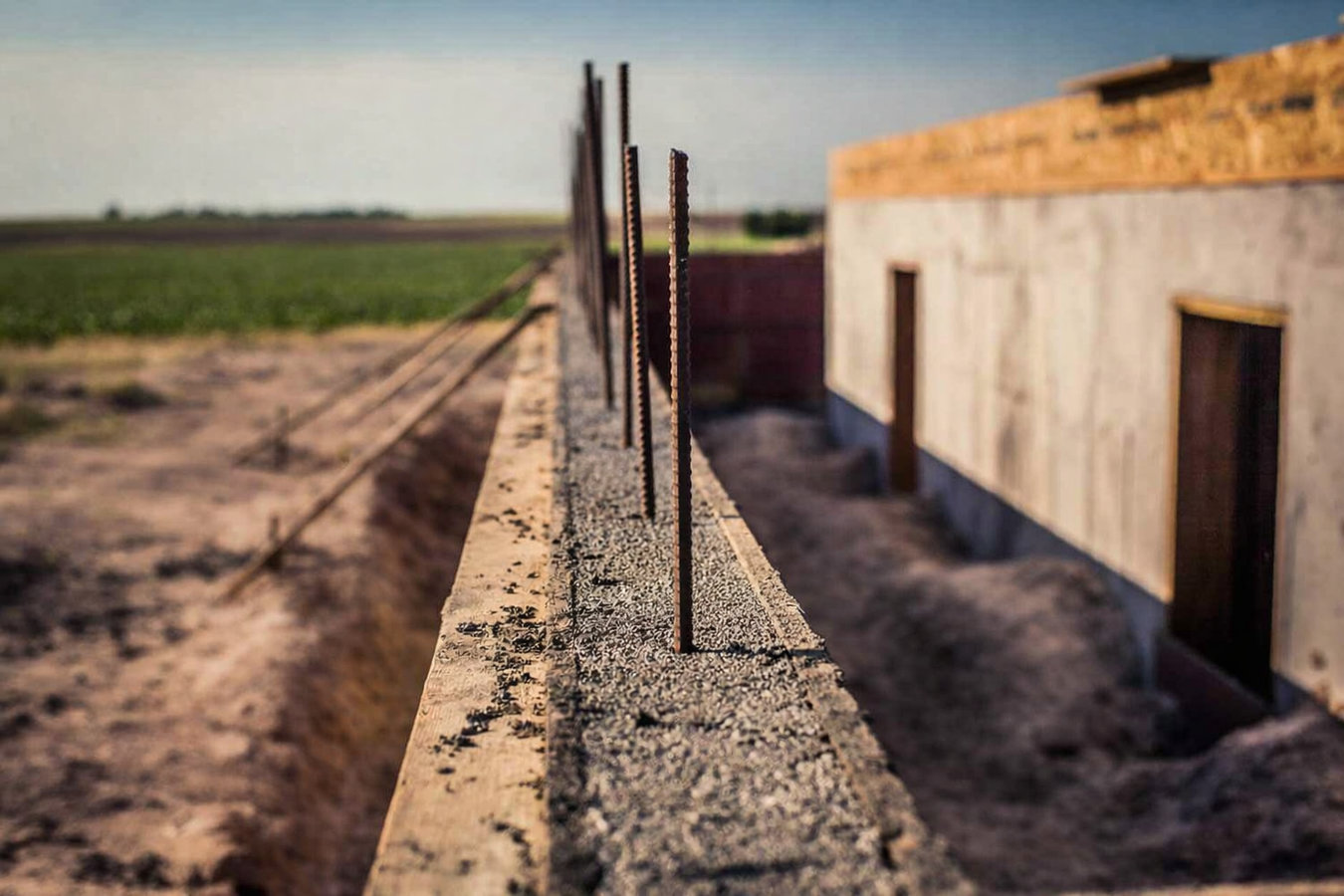
A settled slab does not always mean a full tear-out. Foundation raising lifts sunken concrete back to level in one to two days, without the cost and disruption of full replacement.
Foundation raising in Cupertino lifts a sunken or uneven concrete slab back to its original position by pumping material into voids beneath it - most residential jobs are complete in one to two days, and the surface is walkable within hours of the work finishing.
The concrete itself is often still in good shape. What has changed is the ground beneath it. In Cupertino, where clay-heavy soils shrink and swell with the seasons and the ground sits in an active seismic zone, it is very common for slabs to shift gradually over time without any failure in the concrete itself. Foundation raising addresses that - lifting the slab back up without tearing it out.
When a slab has deteriorated beyond what lifting can fix - cracked through, crumbling, or badly damaged inside - the better path is slab foundation building rather than raising. We assess which option applies to your situation honestly, before any work is scheduled.
If interior doors that used to swing freely now drag on the floor or refuse to latch, the home's frame may be responding to foundation movement. In Cupertino, this symptom often appears after a dry summer followed by the first heavy fall rains - the clay soil swells and contracts, and the foundation moves with it. This is one of the earliest and most reliable warning signs.
Diagonal cracks radiating from the corners of door frames or windows are a classic sign of differential settling - one part of the foundation has moved more than another. These are different from minor hairline cracks that appear in new construction. They tend to be wider at one end and grow over time, which means acting sooner is less expensive than waiting.
Walk slowly across your living room or kitchen in socks. If you can feel a slope or a soft spot, or a marble placed on the floor rolls consistently toward one wall, your slab may have settled unevenly. In Cupertino's clay soil environment, this gradual slope is common in homes built on lots that were not fully graded before the original construction.
Cupertino's wet winters can send water toward your foundation if the grading around your home is not directing it away. Standing water against the base of your home softens the soil and accelerates settling. If you notice puddles forming near your foundation wall after a storm, that is a warning sign worth acting on before the movement gets worse.
Every foundation raising job starts with a site walk to assess what caused the settling - not just where the slab has dropped. We check drainage patterns around the home, look for signs of tree root activity near the slab, and evaluate how much the concrete has moved and in which direction. That assessment determines which lifting method is appropriate and gives us a realistic picture of how long results are likely to hold. For homeowners who also need concrete cutting to remove a damaged section before lifting can begin, we coordinate both phases of the work so the job moves without gaps between trades.
The lifting itself uses one of two methods: a traditional cementitious slurry pumped through small holes drilled in the slab, or an expanding polyurethane foam injected through even smaller openings. The foam method cures faster and adds almost no weight - useful on slabs where additional load is a concern. Both approaches involve drilling, pumping, monitoring the lift, and patching the holes when the work is complete. We handle the Cupertino permit application and city inspection coordination from start to finish so that step is not left for you to manage.
The right fit for settled garage slabs that have dropped at the door edge or in the center - fast turnaround, minimal disruption, and no need to empty the garage for a full tear-out.
Suits driveways, sidewalks, and patio slabs that have settled unevenly - eliminating trip hazards and water pooling without removing concrete that is otherwise in good condition.
For living spaces built on a slab foundation that has settled - addressing sloped floors and sticking doors before the movement causes further structural or cosmetic damage inside the home.
Cupertino sits on clay-heavy soils throughout the Santa Clara Valley - soils that swell when wet and shrink when dry. That seasonal movement is one of the most common reasons foundations shift in this area. It is not a sign that something was built wrong; it is simply what the ground does here over time. Combine that with the fact that most of Cupertino's single-family homes were built between the 1950s and 1980s - meaning many slabs are now 40 to 70 years old - and you have conditions that make foundation settling more common here than in newer residential areas. The USGS Earthquake Hazards Program documents the seismic risk across the Bay Area, and Cupertino's proximity to both the Hayward and San Andreas faults means minor ground movement is an ongoing reality that adds to the cumulative stress on any foundation.
We work regularly throughout Cupertino and neighboring communities. Homeowners in Sunnyvale and Santa Clara face similar soil and seismic conditions and call us for the same reasons - a settled garage slab, a sloping living room floor, or a driveway that has dropped at one corner after a wet winter.
When you call, we ask a few basic questions - what you are seeing, how long it has been happening, and whether any previous foundation work has been done. We reply within one business day and can typically schedule an on-site visit within a few days from there.
A contractor or project manager walks the property with you, checks drainage, nearby trees, slab age, and degree of movement. Most visits take 30 to 60 minutes. You leave with a clear explanation of the cause and a recommendation - no vague answers.
You receive a written estimate that breaks down the work and the cost before anything is signed. If the City of Cupertino requires a permit - which it typically does for structural foundation work - we tell you at this stage and handle the application on your behalf.
The crew drills small holes at calculated intervals, pumps the lifting material underneath, and monitors the level throughout the raise. Most jobs are complete in one to two days. The surface is typically walkable within a few hours of the work being done.
Free on-site assessment. No sales pitch. We explain what we find and what it costs before any work is scheduled.
(669) 308-4473We work across Cupertino and the surrounding cities, which means we understand the specific soil conditions, permit requirements, and building characteristics that vary from neighborhood to neighborhood in this area. That local knowledge changes how we assess and approach every job.
We do not arrive at your property and start drilling. We figure out why the slab settled - whether it is clay soil cycling, poor drainage, root intrusion, or seismic movement - and factor that into our recommendation. If the cause is not addressed, the lift does not last.
Cupertino's Building Division requires permits for structural foundation work, and we pull them. The city inspector who reviews the job before closure is the homeowner's best protection - and we coordinate that step without making it your problem to manage. For reference, permit requirements are outlined by the City of Cupertino Building Division.
Some slabs need to be raised. Some need to be replaced. We tell you which one applies to your slab after looking at it - not based on which option costs more. A slab that is cracked through or structurally compromised is not a candidate for raising, and we say so.
Every foundation raising job we take on in Cupertino is assessed for the specific soil, drainage, and seismic conditions that affect this area. That is what separates a repair that holds from one that needs repeating.
When a settled or damaged slab section needs to come out entirely before any lifting or replacement can happen, precision concrete cutting removes the affected area cleanly without disturbing the surrounding surface.
Learn moreFor situations where a slab has deteriorated beyond what raising can fix, slab foundation building replaces the entire base with a new pour sized and reinforced for Cupertino's soil and seismic conditions.
Learn moreCupertino's wet winters put real pressure on settled slabs - contact us now to schedule your free assessment before the next storm season arrives.